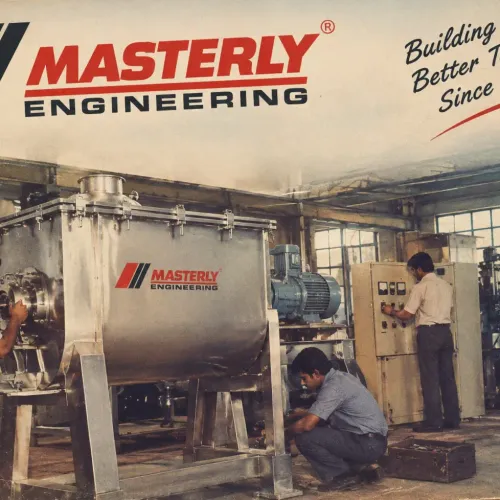

Cleaning a Ribbon Blender is crucial to maintain its performance, prevent contamination, and ensure product quality. Here's a step-by-step guide on how to clean a Ribbon Blender:
Pre-Cleaning Steps
1. Shutdown and Lockout: Ensure the Ribbon Blender is shut down and locked out to prevent accidental startup.
2. Remove Product: Remove any remaining product from the blending vessel.
3. Disconnect Utilities: Disconnect utilities such as electricity and air.
Cleaning Steps
1. Dust Removal: Use a vacuum cleaner or a brush to remove any loose dust or debris from the blending vessel.
2. Wipe Down: Wipe down the blending vessel, including the walls, floor, and any other surfaces, using a soft cloth or sponge.
3. Cleaning Solution: Apply a cleaning solution, such as a mild detergent or a sanitizing agent, to the blending vessel.
4. Scrubbing: Scrub the blending vessel, including the walls, floor, and any other surfaces, using a soft-bristled brush or a scrubber.
5. Rinse: Rinse the blending vessel thoroughly with clean water to remove any cleaning solution or debris.
6. Drying: Dry the blending vessel thoroughly using a clean towel or air blowers.
Additional Cleaning Steps
1. Ribbon Cleaning: Clean the ribbon agitator, including the blades and shaft, using a soft-bristled brush or a scrubber.
2. Seal Cleaning: Clean the seals and gaskets, including the shaft seal and lid seal, using a soft cloth or sponge.
3. Inspection: Inspect the Ribbon Blender for any signs of wear or damage.
Post-Cleaning Steps
1. Reassemble: Reassemble the Ribbon Blender, including any removed parts.
2. Reconnect Utilities: Reconnect utilities such as electricity and air.
3. Test Run: Perform a test run to ensure the Ribbon Blender is functioning properly.
Cleaning Schedule
1. Daily Cleaning: Perform daily cleaning tasks, such as dust removal and wipe-downs.
2. Weekly Cleaning: Perform weekly cleaning tasks, such scrubbing and rinsing.
3. Monthly Cleaning: Perform monthly cleaning tasks, such as cleaning the ribbon agitator and seals.
Cleaning Agents
1. Mild Detergents: Use mild detergents, such as soap or dish soap.
2. Sanitizing Agents: Use sanitizing agents, such as bleach or quaternary ammonium compounds.
3. Cleaning Solvents: Use cleaning solvents, such as ethanol or isopropanol, for specific cleaning tasks.
Safety Precautions
1. Personal Protective Equipment: Wear personal protective equipment, such as gloves, goggles, and a face mask.
2. Ventilation: Ensure good ventilation to prevent inhalation of cleaning agents or dust.
3. Electrical Safety: Ensure electrical safety by disconnecting utilities and using grounded equipment.
Pre-Cleaning Steps
1. Shutdown and Lockout: Ensure the Ribbon Blender is shut down and locked out to prevent accidental startup.
2. Remove Product: Remove any remaining product from the blending vessel.
3. Disconnect Utilities: Disconnect utilities such as electricity and air.
Cleaning Steps
1. Dust Removal: Use a vacuum cleaner or a brush to remove any loose dust or debris from the blending vessel.
2. Wipe Down: Wipe down the blending vessel, including the walls, floor, and any other surfaces, using a soft cloth or sponge.
3. Cleaning Solution: Apply a cleaning solution, such as a mild detergent or a sanitizing agent, to the blending vessel.
4. Scrubbing: Scrub the blending vessel, including the walls, floor, and any other surfaces, using a soft-bristled brush or a scrubber.
5. Rinse: Rinse the blending vessel thoroughly with clean water to remove any cleaning solution or debris.
6. Drying: Dry the blending vessel thoroughly using a clean towel or air blowers.
Additional Cleaning Steps
1. Ribbon Cleaning: Clean the ribbon agitator, including the blades and shaft, using a soft-bristled brush or a scrubber.
2. Seal Cleaning: Clean the seals and gaskets, including the shaft seal and lid seal, using a soft cloth or sponge.
3. Inspection: Inspect the Ribbon Blender for any signs of wear or damage.
Post-Cleaning Steps
1. Reassemble: Reassemble the Ribbon Blender, including any removed parts.
2. Reconnect Utilities: Reconnect utilities such as electricity and air.
3. Test Run: Perform a test run to ensure the Ribbon Blender is functioning properly.
Cleaning Schedule
1. Daily Cleaning: Perform daily cleaning tasks, such as dust removal and wipe-downs.
2. Weekly Cleaning: Perform weekly cleaning tasks, such scrubbing and rinsing.
3. Monthly Cleaning: Perform monthly cleaning tasks, such as cleaning the ribbon agitator and seals.
Cleaning Agents
1. Mild Detergents: Use mild detergents, such as soap or dish soap.
2. Sanitizing Agents: Use sanitizing agents, such as bleach or quaternary ammonium compounds.
3. Cleaning Solvents: Use cleaning solvents, such as ethanol or isopropanol, for specific cleaning tasks.
Safety Precautions
1. Personal Protective Equipment: Wear personal protective equipment, such as gloves, goggles, and a face mask.
2. Ventilation: Ensure good ventilation to prevent inhalation of cleaning agents or dust.
3. Electrical Safety: Ensure electrical safety by disconnecting utilities and using grounded equipment.
Keywords