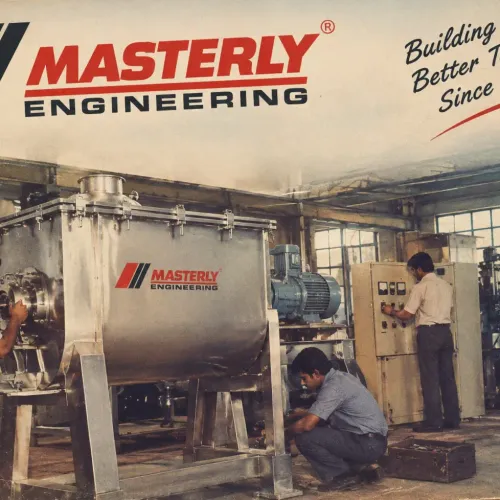

Clean-in-Place (CIP) is a critical process for maintaining the cleanliness and hygiene of a ribbon blender, especially in industries where contamination can be a significant concern, such as food processing and pharmaceuticals. Here's an overview of how CIP is typically performed on a ribbon blender:
Pre-Cleaning Steps
1. Drain the Blender: Ensure the blender is empty and drained of any residual material.
2. Disconnect Utilities: Disconnect any utilities, such as power, water, and air, to prevent accidental start-ups or water ingress.
CIP Process
1. Pre-Rinse: Perform a pre-rinse with water to remove any loose debris or residue.
2. Detergent Circulation: Circulate a cleaning detergent through the blender to loosen and remove any stubborn residue or contamination.
3. Rinse: Rinse the blender thoroughly with water to remove any remaining detergent and residue.
4. Sanitizing: Sanitize the blender using a sanitizing agent, such as steam or a chemical sanitizer, to kill any remaining bacteria or microorganisms.
Post-Cleaning Steps
1. Inspection: Inspect the blender to ensure it is clean and free of any residue or contamination.
2. Drying: Dry the blender to prevent water spots and bacterial growth.
3. Reconnection: Reconnect any utilities, such as power, water, and air, and perform any necessary checks to ensure the blender is functioning properly.
Benefits of CIP
1. Increased Efficiency: CIP reduces downtime and increases efficiency by allowing for quick and easy cleaning.
2. Improved Hygiene: CIP helps maintain a high level of hygiene and cleanliness, reducing the risk of contamination.
3. Reduced Labor: CIP reduces labor costs by automating the cleaning process and minimizing manual cleaning efforts.
Pre-Cleaning Steps
1. Drain the Blender: Ensure the blender is empty and drained of any residual material.
2. Disconnect Utilities: Disconnect any utilities, such as power, water, and air, to prevent accidental start-ups or water ingress.
CIP Process
1. Pre-Rinse: Perform a pre-rinse with water to remove any loose debris or residue.
2. Detergent Circulation: Circulate a cleaning detergent through the blender to loosen and remove any stubborn residue or contamination.
3. Rinse: Rinse the blender thoroughly with water to remove any remaining detergent and residue.
4. Sanitizing: Sanitize the blender using a sanitizing agent, such as steam or a chemical sanitizer, to kill any remaining bacteria or microorganisms.
Post-Cleaning Steps
1. Inspection: Inspect the blender to ensure it is clean and free of any residue or contamination.
2. Drying: Dry the blender to prevent water spots and bacterial growth.
3. Reconnection: Reconnect any utilities, such as power, water, and air, and perform any necessary checks to ensure the blender is functioning properly.
Benefits of CIP
1. Increased Efficiency: CIP reduces downtime and increases efficiency by allowing for quick and easy cleaning.
2. Improved Hygiene: CIP helps maintain a high level of hygiene and cleanliness, reducing the risk of contamination.
3. Reduced Labor: CIP reduces labor costs by automating the cleaning process and minimizing manual cleaning efforts.
Keywords